Acupuncture for Sciatica

Sciatica can cause pain, numbness, tingling, or weakness that travles from the lower back down the leg. Symptoms can interfere with walking, sitting, and daily activities.
Common symptoms include:
• Sharp or burning pain down one leg
• Numbness or tingling
• Muscle weakness
• Pain that worsens with prolonged sitting or standing
• Difficulty walking comfortably
At Ethereal Wellness, we understand that sciatica isn't always caused by the same problem.
While irritation of the sciatica nerve is common, muscle tightness, joint dysfuction, posture and movement patterns may also contribute to your symptoms.
Our evaluation looks beyond where the pain is felt. We assess areas that commonly influence sciatic pain, including the lower back, hips, gluteal muscles, piriforms, hamstrings and surrounding soft tissues.
Acupuncture may help :
✔ Reducing pain and muscle tension
✔ Supporting healthy nerve function
✔ Improving circulation to affected tissues
✔ Promoting the body's natural healing response
✔ Helping restore mobility and daily function
For many patients, we combine acupuncture, therapeutic massage or myofascial techniques to address tight muscles and improve movement patterns that may place additional stress on the sciatica nerve.
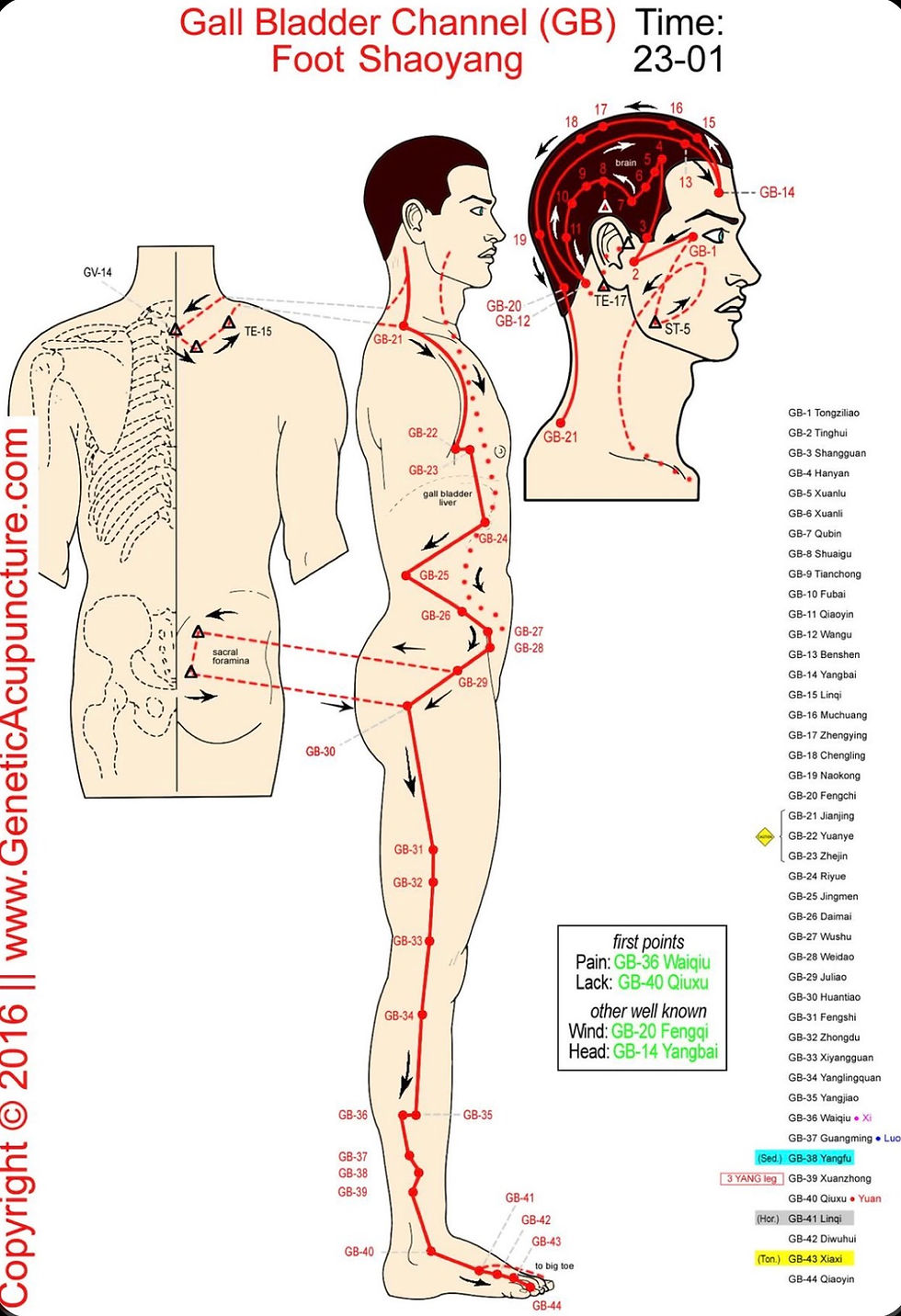
From a Traditional Chinese Medicine perspective, sciatica is often associated with Qi and Blood stagnation affecting the channels of the lower back and leg. Depending on the individual, underlying patterns such as Kidney deficiency, Cold-Damp, or Damp-Heat may also contribute. Every treatment plan is personlized based on your symptoms and overall health because no two cases are exactly alike.
If sciatica has been limiting your daily activities, we're here to help you move with greater comfort and confidence.


Comments